
Get Started

[A.OP / Operating Doctrine]

The mission determines the system.

Operational software must do more than collect information and move work forward. It must preserve what is known, expose what is assumed, and keep people focused on the decision in front of them. Aerellus engineers from that requirement outward.

MissionDefine the objective before defining the interface.
EvidenceSeparate observation, inference, and assessment.
ControlEstablish authority, boundaries, and accountability.
The operating position

Technology is not the mission.

The mission exists before the software. So do its constraints: incomplete reporting, limited attention, competing priorities, security boundaries, and consequences when assumptions are mistaken for facts. Our work begins with those realities, not a list of features.

Understand the operation

Identify the actual objectives, users, decisions, handoffs, authorities, and failure conditions before choosing the technology.

Interrogate the information

Preserve the difference between what was observed, what a source reported, and what an analyst or system inferred.

Engineer the boundaries

Design identity, permissions, provenance, integration points, and data ownership as foundational system behavior.

Prove the result

Define what the system must accomplish, measure its behavior, and document limitations instead of relying on presentation alone.

Engineering doctrine

Discipline before capability.

More data is not automatically better intelligence. More alerts are not automatically better awareness. More automation is not automatically better judgment. We design systems to distinguish the useful from the merely available.

01

Mission primacy

Relevance begins with the assigned objective. An unusual observation may deserve documentation without deserving immediate attention, a new investigation, or a change in course. Retain the record. Protect the mission.

02

Evidentiary restraint

Two people speaking is an observed interaction, not proof of a relationship. Reporting systems must not quietly promote interpretations into facts—or multiply confidence by repeating an unsupported inference.

03

Decision economy

Every unjustified escalation consumes time, attention, and resources. The right system reduces unnecessary work without hiding uncertain evidence or suppressing credible exceptions that demand attention.

04

Trust is evaluated, not inherited

Access requires authorization. Information requires provenance. Apparent corroboration requires independence. Under adversarial conditions, neither system access nor the meaning of an observed event should be accepted without scrutiny.

Engineering practice

Define. Build. Challenge. Verify.

Credibility comes from what a system can demonstrate—not from a testimonial, a familiar logo, or a promise of future capability. We distinguish deployed functions from prototypes and research, establish testable requirements, and treat failure modes as engineering inputs.

Architecture with purpose

Services, data structures, and integration contracts follow operational requirements rather than dictating them.

Information integrity

Source lineage, competing interpretations, confidence boundaries, and revision history are designed into the data model.

Measured behavior

Testing must show whether a function works, under which conditions, and where it fails or requires intervention.

Controlled evolution

New capabilities are developed with versioned interfaces, authorization boundaries, explicit readiness status, and documented limitations.

The method

Operational logic before application logic.

We start with a question software teams too often skip: what would a disciplined operator need to know, decide, and deliberately ignore? Only then do we establish the data contracts, interfaces, security controls, and validation criteria that make the technology useful.

01 / Establish the mission

Define responsibilities, decisions, boundaries, critical information needs, and unacceptable failure conditions.

02 / Model the evidence

Separate observations from interpretations. Preserve provenance and make uncertainty visible without turning every hypothesis into a task.

03 / Engineer the system

Build the data services, integrations, interfaces, and access controls to support the operating model—not replace it.

04 / Validate in conditions

Exercise real workflows, contradictory information, degraded dependencies, and adverse cases. Measure outcomes and refine.

Work with Aerellus

Bring the operational problem.

We do not need a public client roster to explain our work. Sensitive environments demand discretion, defined access, and evidence of technical competence. If the problem involves consequential information, complex systems, or operational decisions that must hold up under pressure, that is where the conversation should begin.

contact@aerellus.com
Aerellus / Insights

Engineering & Operational Briefings

Current thinking on systems engineering, operational information, and the decisions technology must support.

The Requirement Is Moving

The Requirement Is Moving

Technology is no longer waiting for traditional acquisition cycles. As software, AI, sensing, communications, and autonomous systems evolve faster, organizations need a faster path from requirement to operational capability—without sacrificing control, security, or discipline.

Read Briefing →

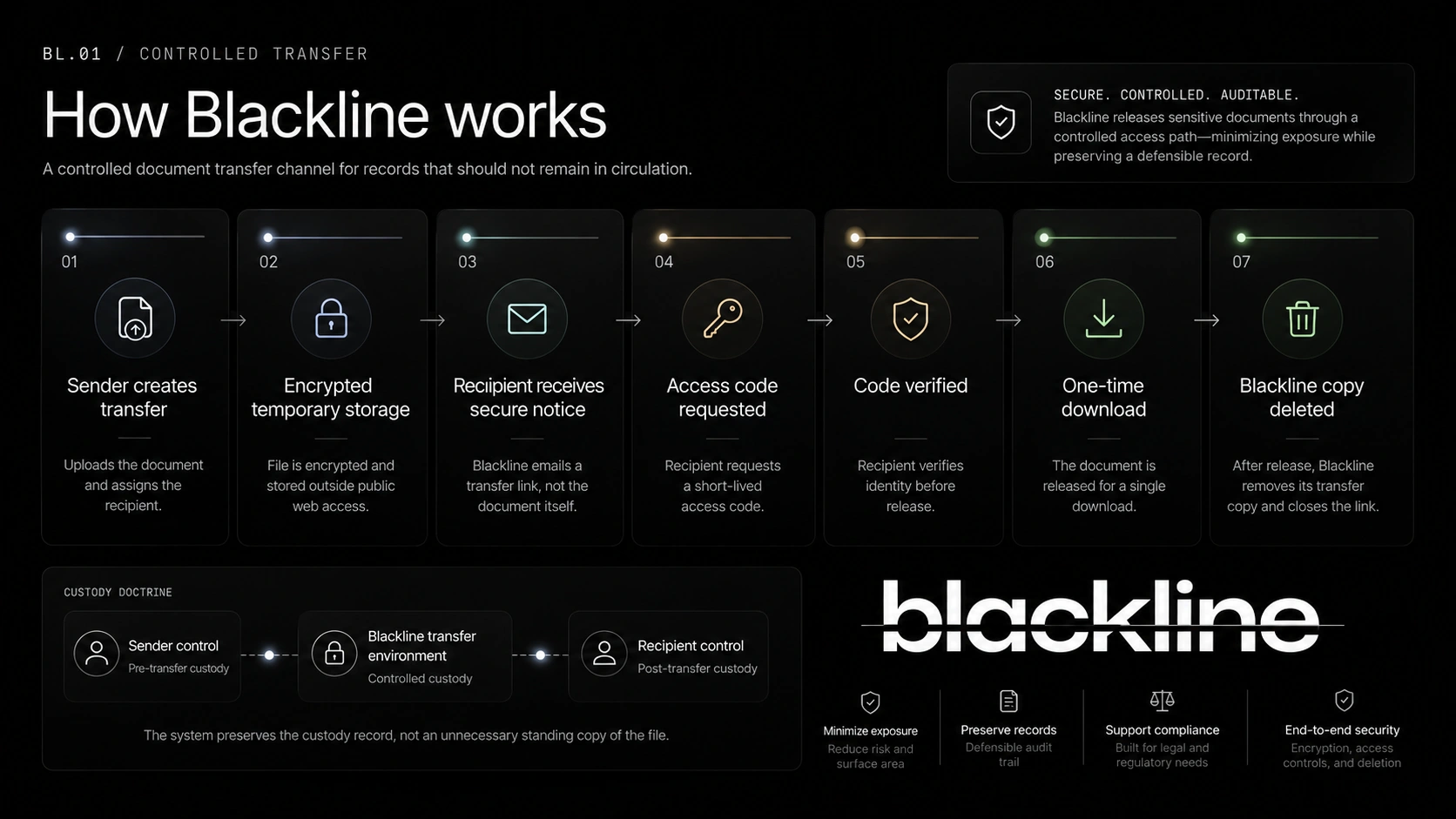
The Cost of Fragmented Operations

The Cost of Fragmented Operations

Organizations rarely lose control all at once. Control erodes when work moves across disconnected systems, forcing teams to rebuild context, repeat movement, and defend records that were never structured cleanly in the first place.

Read Briefing →