Get Started

[A.CS / CUSTOM SYSTEMS]

The mission defines the system. Not the other way around.

Established software can satisfy individual functions and still fail the operation as a whole. Aerellus engineers purpose-built systems around the information, authority, decisions, and constraints the mission requires.

RequirementBegin with the operational objective.
ArchitecturePreserve boundaries, records, and authority.
ExecutionDeliver capability that can be examined and sustained.
[ENGINEERED AROUND THE ASSIGNMENT] [REQUIREMENT / CONTROL / DELIVERY]

[A.CS / ENGINEERING POSTURE]

Mission
before model.

The correct solution may be a new system, an extension of an existing one, or a governed connection between several.

Aerellus begins by identifying the operational outcome and the conditions necessary to achieve it. Only then do we determine which functions to build, which authoritative systems to retain, and where integration creates more value than replacement.

The engineering problem

Functional systems do not always produce an operationally complete picture.

An organization may have mature records, specialist applications, established approval paths, and capable personnel—yet still lack a dependable way to bring that information together for a decision. The problem is not necessarily missing software. It is missing continuity between systems, roles, and responsibilities.

Fragmented records

Related information sits in separate systems, with inconsistent definitions, competing versions, or no durable operational context.

Unclear authority

Visibility, assessment, authorization, and action cross organizational boundaries without adequate distinction or traceability.

Unreliable handoffs

Personnel and systems exchange data while losing the qualifications, history, and ownership needed to interpret it responsibly.

Unvalidated outputs

Dashboards and automated assessments appear decisive before accuracy, relevance, and limitations have been established against the operation.

System architecture / Design responsibilities

A system must preserve the operating logic it was built to serve.

Custom engineering does not mean inventing everything again. It means defining the right responsibilities, interfaces, and controls for a specific mission—and refusing to let a convenient implementation quietly redefine them.

01

Establish the authoritative record

Determine which source owns each class of information, what may be exchanged, and how a shared operational view can preserve provenance without becoming an ungoverned competing record.

02

Engineer the system boundaries

Define the interfaces between established systems, specialized services, and new components. Preserve ownership, field meaning, access conditions, and traceable changes as information moves.

03

Build for distinct decision roles

Give operators, specialists, leadership, and authorized stakeholders the information and actions appropriate to their responsibilities. A common operating picture does not require identical access or identical conclusions.

04

Qualify analytics and automation

Separate observed information from derived indicators, recommendations, and authorized decisions. Establish testable performance criteria and make uncertainty, exception handling, and human review explicit.

05

Deliver through controlled increments

Bound the initial operational capability, validate against representative workflows, and expand only as integration, security, usability, and operational performance are demonstrated.

Application / Mission-defined environments

One operational objective can cross many systems and authorities.

Consider an environment in which specialists maintain records in established systems, leadership needs a timely readiness or operational assessment, and individual personnel require access to only their own information. A useful solution must connect these requirements without treating every user as the same user—or every data source as equally authoritative.

Longitudinal context

Connect changes over time without erasing the origin, date, qualification, or responsible source behind each record.

Role-specific views

Provide separate working surfaces for specialists, operational leadership, and individuals, each governed by defined responsibilities and access.

Source-system integration

Exchange permitted information with established systems while retaining appropriate ownership, reconciliation, and auditability.

Decision-support discipline

Present trends, exceptions, and evaluated indicators without converting a predictive signal into an unsupported assertion or an automated command.

This is an illustrative architecture, not a claim of a deployed implementation. The specific design depends on the mission, governing authorities, integration permissions, and acceptance criteria.

Delivery / Verification

A successful build is not measured by the number of features shipped.

The standard is whether the delivered capability performs its assigned function under the conditions it was designed for. Aerellus structures development around explicit constraints, measurable acceptance criteria, controlled integration, and a transition path that the operating organization can sustain.

01 / Mission definition

Identify required outcomes, user responsibilities, operating conditions, protected information, dependencies, and the boundaries of authority.

02 / Architecture

Specify systems of record, service interfaces, access controls, data structures, security responsibilities, and deployment assumptions.

03 / Validation

Test workflows, information consistency, system behavior, and analytic outputs against defined criteria—not demonstrations alone.

04 / Transition

Phase deployment, document operational ownership, account for authorization requirements, and maintain a clear route from initial capability to sustained use.

Architecture / Native composition and selective integration

Existing platforms are assets when they fit the requirement.

Aerellus develops the service architecture behind Command-1 and the operational surface of OVRSYT. Those capabilities can inform a custom solution, but they do not dictate its architecture. Where an established environment should remain in place, the preferred answer may be to integrate a bounded service rather than replace the system.

Where no existing platform satisfies the operational requirement, Aerellus can define and engineer a purpose-built system. The mission determines the composition—not the product catalog.

Explore Command-1
Aerellus / Insights

Latest Briefings

Engineering arguments, development doctrine, and operational considerations behind controlled systems.

The Requirement Is Moving

The Requirement Is Moving

Technology is no longer waiting for traditional acquisition cycles. As software, AI, sensing, communications, and autonomous systems evolve faster, organizations need a faster path from requirement to operational capability—without sacrificing control, security, or discipline.

Read Briefing →

The Cost of Fragmented Operations

The Cost of Fragmented Operations

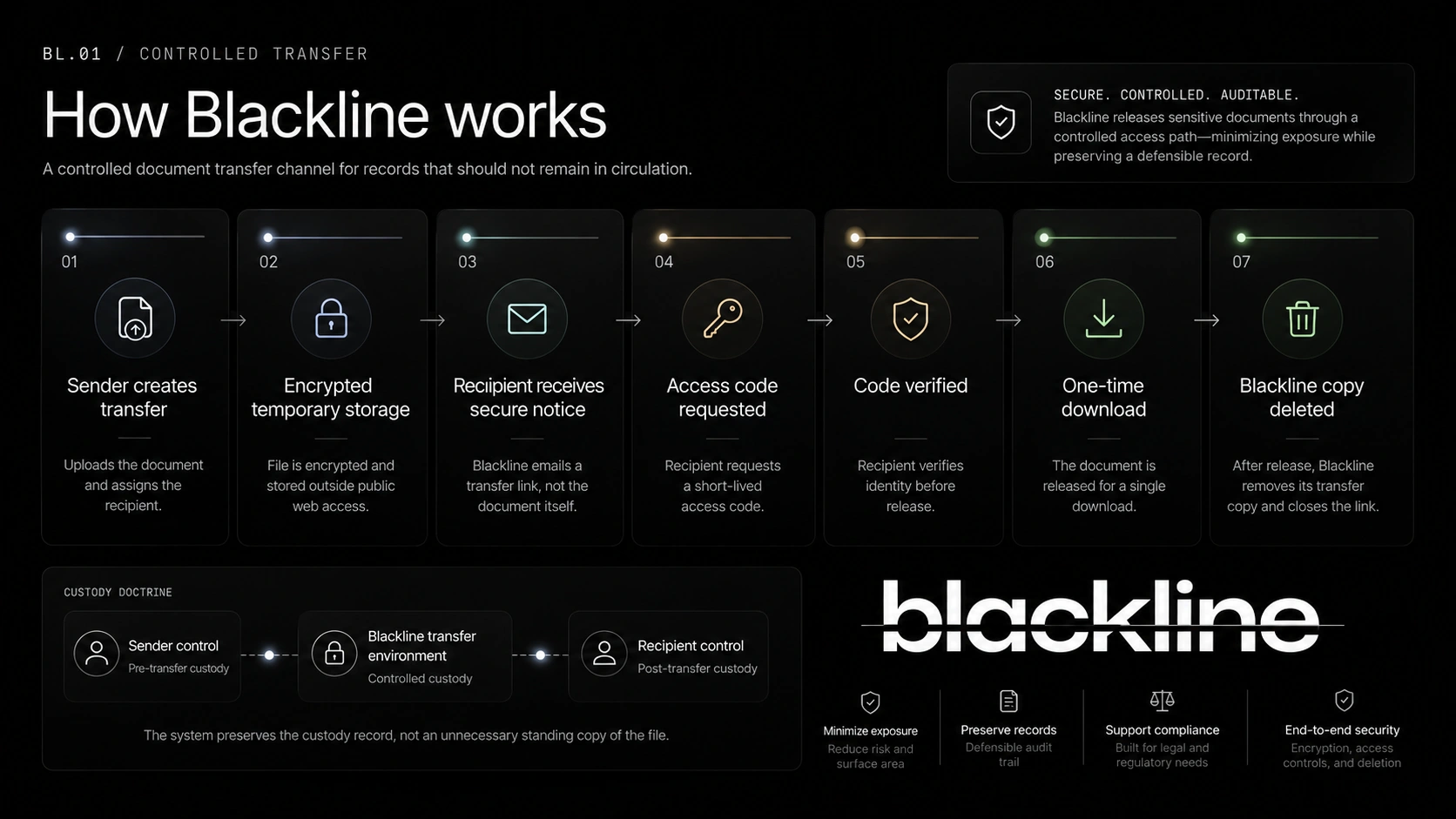
Organizations rarely lose control all at once. Control erodes when work moves across disconnected systems, forcing teams to rebuild context, repeat movement, and defend records that were never structured cleanly in the first place.

Read Briefing →

Engage / Custom Systems

Bring the mission requirement.

Bring the operating constraint, the records that must remain authoritative, the systems that must interoperate, and the decision the environment must support. Aerellus will work from those conditions toward an architecture that can be built, tested, governed, and sustained.

contact@aerellus.com →