Get Started

[A.IN / INDUSTRIES]

Systems for missions that cannot operate loosely.

Aerellus engineers operational systems for environments where information, authority, and execution must remain accountable. The mission changes by sector. The requirement for control does not.

AER.IND.01/A AuthorityDefined responsibility for access, decisions, approvals, and action.
AER.IND.01/B ContinuityOperational context preserved across systems, personnel, and conditions.
AER.IND.01/C IntegrityInformation retains its source, meaning, and qualification as it moves.

[01 / PRIMARY SECTOR]

Defense.

The environment does not simplify itself for the software.

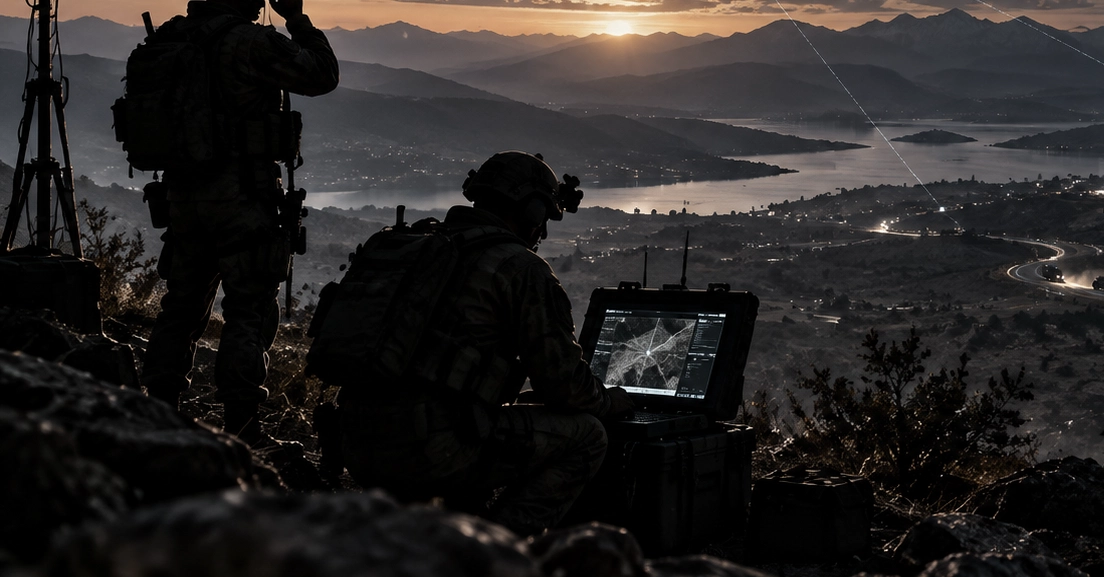
Defense missions operate across established systems, changing conditions, restricted information, and distinct decision authorities. Aerellus approaches the requirement from the operation outward: what must remain known, who is permitted to act, where information must move, and what must continue to function when conditions change. The resulting architecture may integrate existing capabilities, introduce targeted services, or require a purpose-built system.

Explore defense  →

[04 / SPECIALIZED OPERATIONS]

Intelligence & sensitive operations.

Information is not intelligence merely because it is available.

Analytical and sensitive operating environments require source lineage, distinctions between observation and inference, compartmented access, and traceable decisions. Aerellus engineers systems that retain those boundaries as information is received, assessed, shared, and acted upon—whether the operation stands alone or supports a larger government or defense mission.

Explore intelligence operations  →

Operating doctrine

The industry changes. The exposure pattern repeats.

The same failures recur under different mandates: records lose context, authority becomes implicit, and a system handoff obscures what actually happened. Aerellus engineers against those conditions without assuming every environment needs the same platform.

01

Preserve operational context

Connect the mission, program, incident, or work item to its sources, participants, records, actions, and changes in state. Information must remain intelligible when it crosses a system or organizational boundary.

02

Keep authority explicit

Distinguish access from permission to act. Define ownership, disclosure, review, approval, and execution in the operating model, with a record adequate to account for consequential decisions.

03

Engineer for continuity

Integrate established systems when they remain fit for purpose, introduce targeted capabilities where needed, and build purpose-specific environments when the requirement cannot be met otherwise. Validate the result against the conditions in which it must operate.

Aerellus / Insights

Latest Briefings

Engineering arguments, operational constraints, and the doctrine behind controlled systems.

The Requirement Is Moving

The Requirement Is Moving

Technology is no longer waiting for traditional acquisition cycles. As software, AI, sensing, communications, and autonomous systems evolve faster, organizations need a faster path from requirement to operational capability—without sacrificing control, security, or discipline.

Read Briefing →

The Cost of Fragmented Operations

The Cost of Fragmented Operations

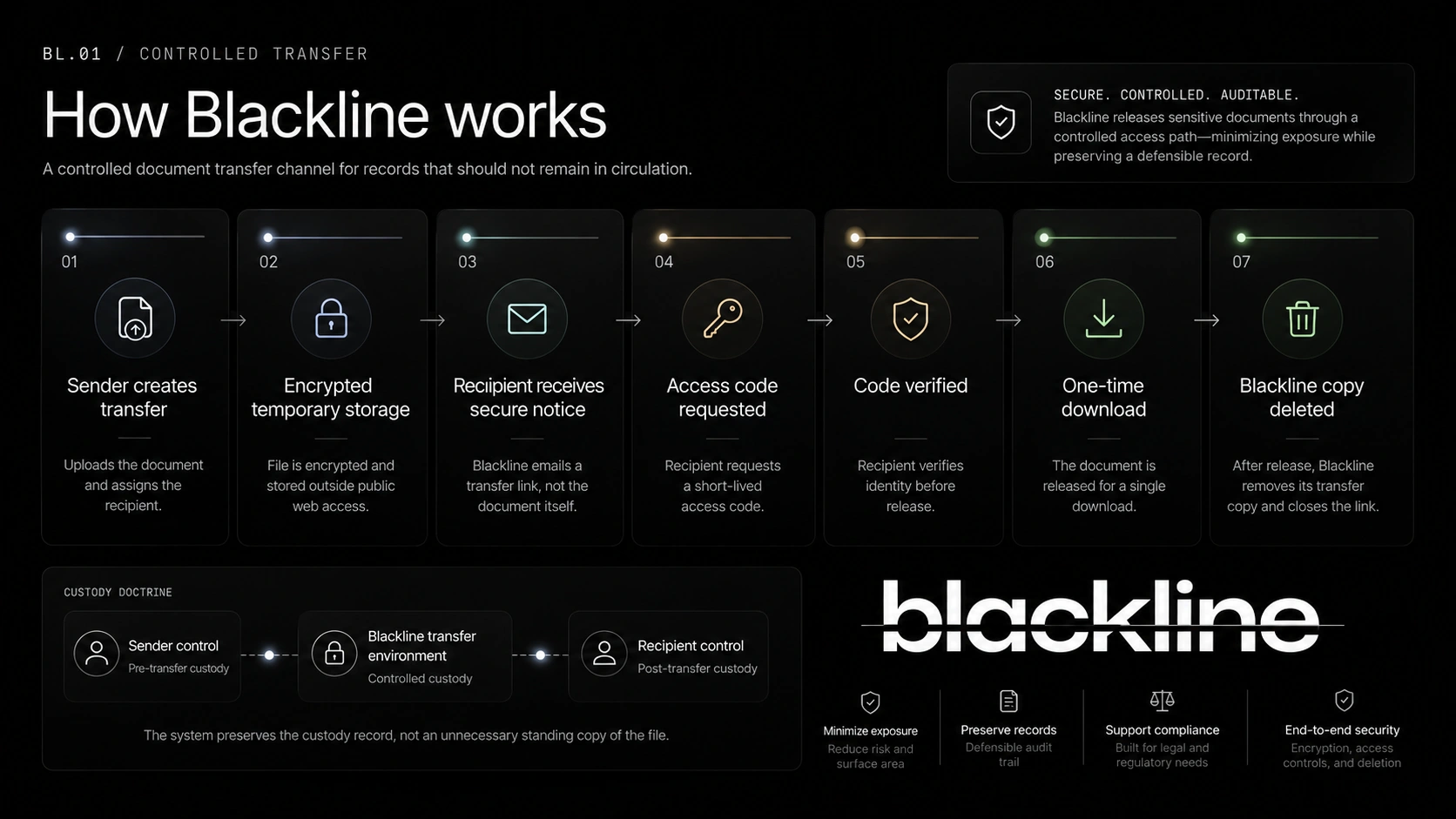
Organizations rarely lose control all at once. Control erodes when work moves across disconnected systems, forcing teams to rebuild context, repeat movement, and defend records that were never structured cleanly in the first place.

Read Briefing →
Engage

Bring the operational requirement.

Whether the need is a bounded capability, integration across existing systems, or a purpose-built operating environment, Aerellus begins with the mission, the authority boundary, and the conditions the system must withstand.

contact@aerellus.com >